Blog

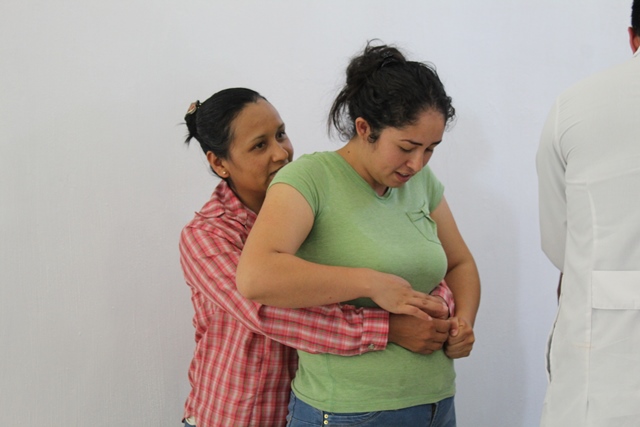
Vital Signs and Heimlich

IMG_1813


We had a wonderful turnout of Promotores in Atengo, many from remote rural areas, very far from services.  The poverty of these small villages is stark and roads are narrow and bumpy.  Having a skilled health worker nearby with a well equipped medical kit will mean the difference between life and death.

Signos Vitales y Maniobra de Heimlich

Tuvimos muy buenos resultados (leer mas) Continue reading “Vital Signs and Heimlich”
Girls Benefit Most

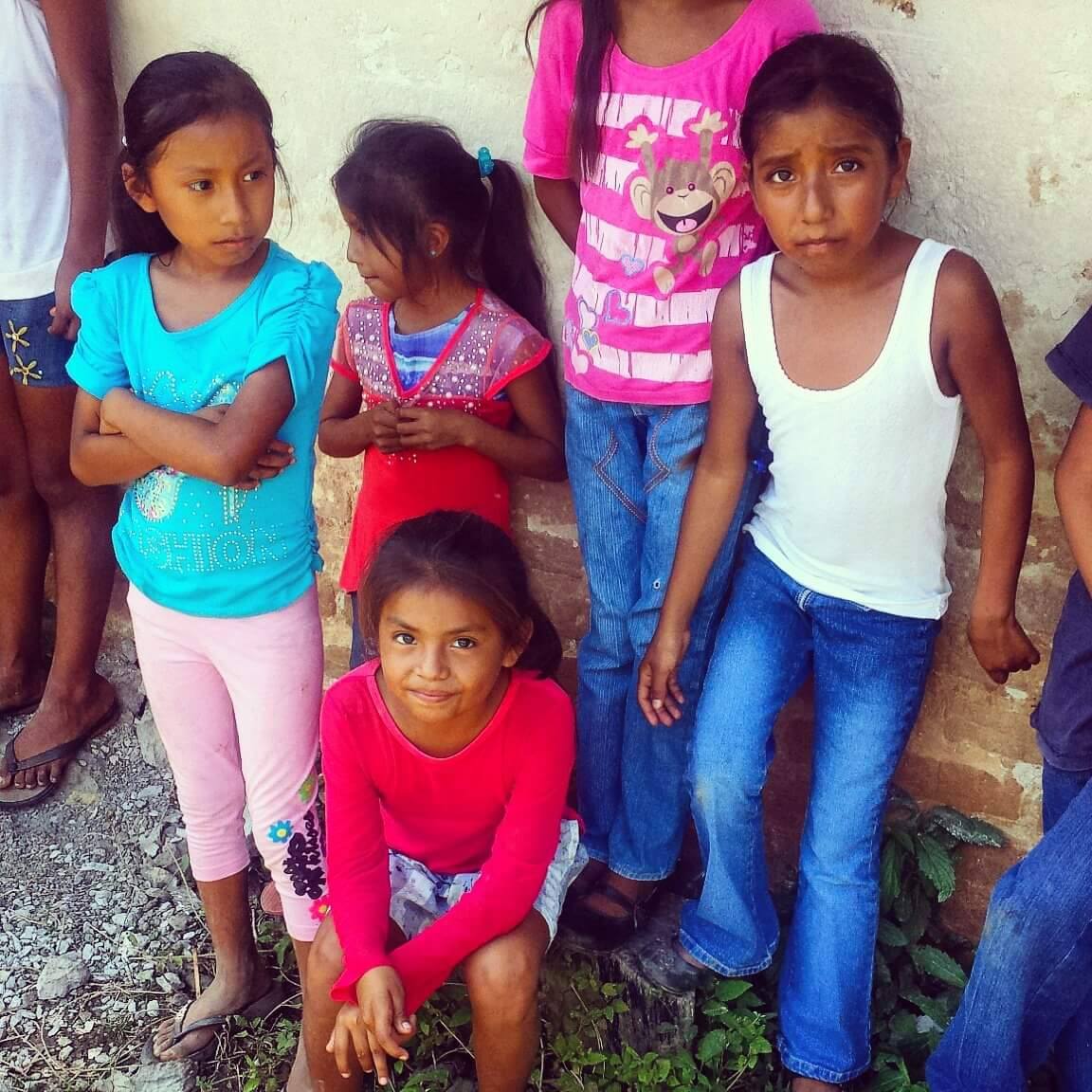
17092779_10155108770684529_2132556358_o

Girls whose mothers are Promotoras gain knowledge and skills which their moms share with them. Their daughters also witness first hand the increasing respect these women earn in the community.  Whether or not their mother is a Promotora (Community Health Worker), girls discover new role models among Tia’s Promotoras.  The rising tide raises all boats, so all the village girls and their mothers benefit from the added esteem that the Promotoras achieve.

Las Niñas Son las Más Beneficiadas

Las niñas, cuyas madres son Promotoras de Salud, (leer mas) Continue reading “Girls Benefit Most”

Check out Tia’s New Short Video

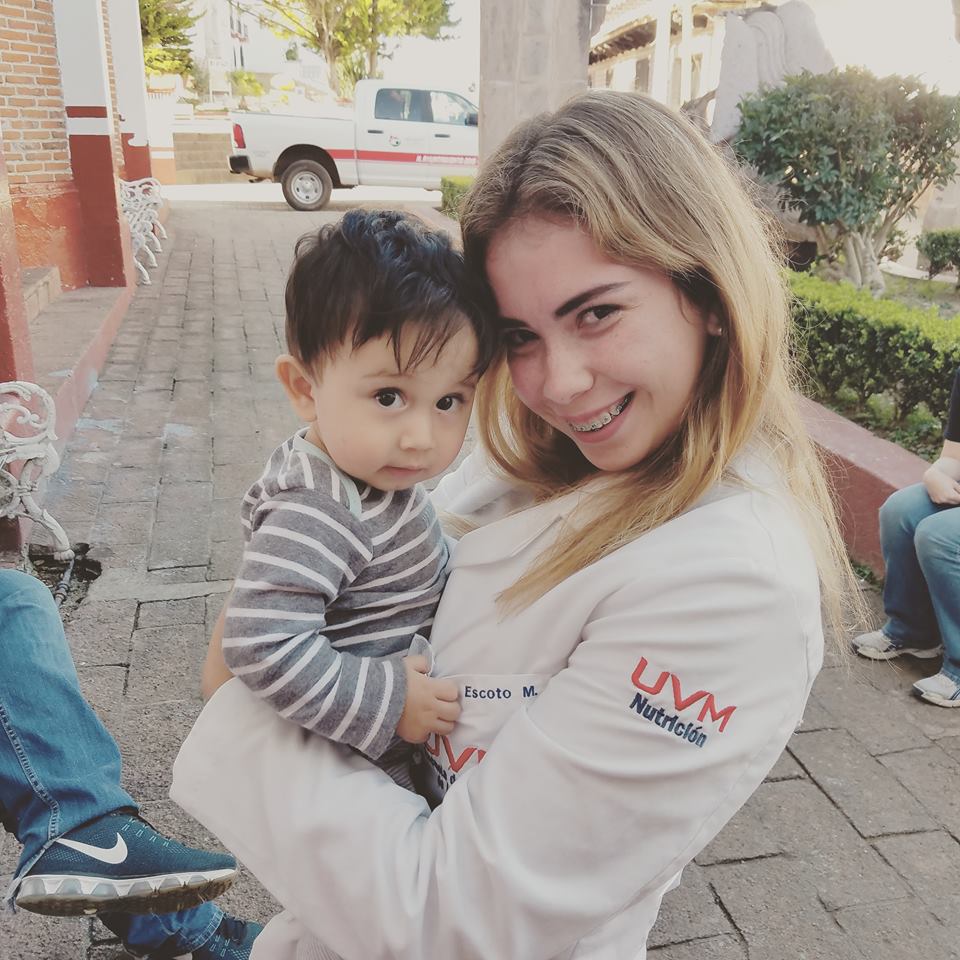
Nate Harris, our Program and Marketing Director extraordinaire, put together this great short video explaining a little about what we do at Tia.  Katie Smith, our pioneer VEA (Volunteer Expedition Adventurer) opens the video by showing us how to keep time doing CPR, or in Spanish, RCP.  The young men of Brophy College Preparatory and some of our favorite people from Universidad del Valle de Mexico are featured too.  We hope you will enjoy it and share it with your friends!

Tia is Headed to Atengo, Jalisco

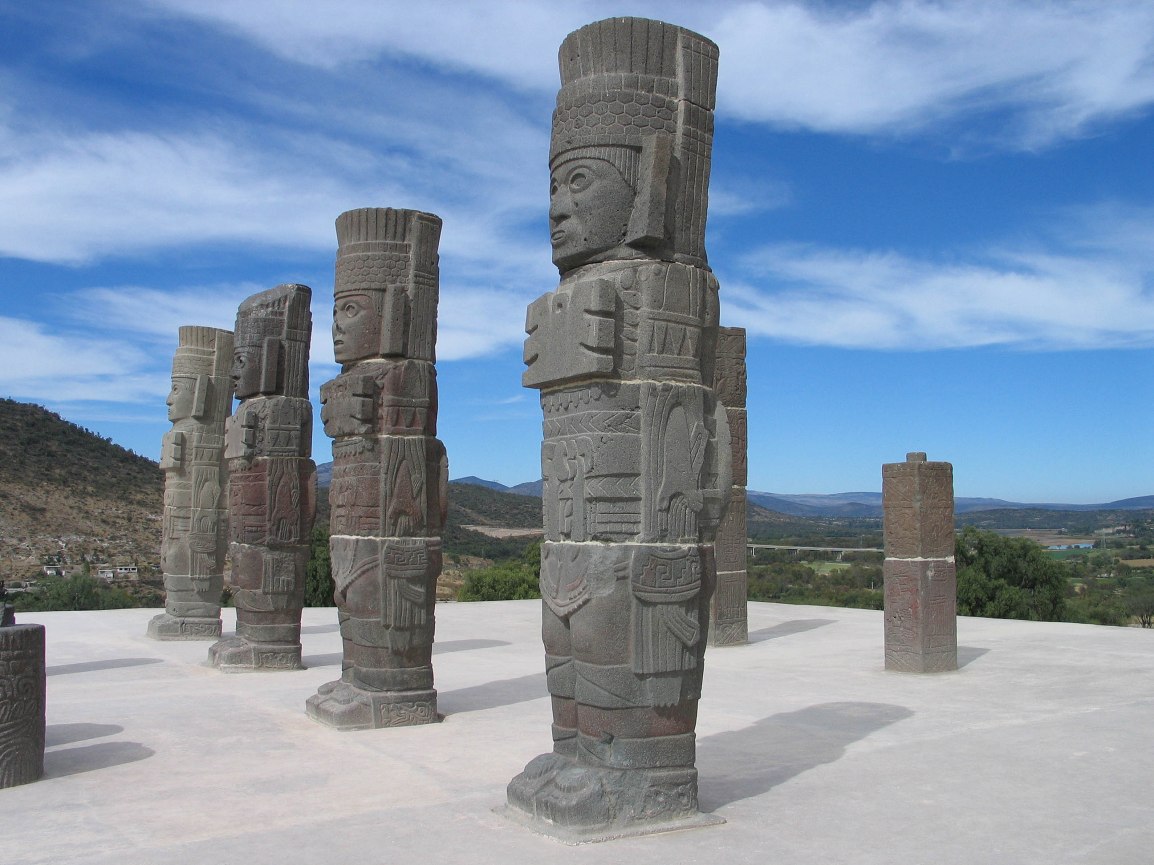
telamones_tula

Tia and the UVM brigade will be starting a new project in the last week of March in Atengo, so Laura is headed down in a couple of weeks to do the advance work with Dr. Roberto.  Atengo is both a small town and a municipality west of Guadalajara. The word Atengo is a Nahuatl (Nahuatl people are also referred to as Aztecs) word meaning: “at the edge of the water”.  This region is inhabited by the Nahuatl and before that, the ancient Toltec people.  The Nahuatl saw the Toltecs as their cultural and intellectual ancestors.